
Inventors: Freddie Sarathchandra & Lea Jung, enstic
Website: https://enstic.com
Insects matter to us in very different ways. Some spread disease, some pollinate our crops, and some are invasive species that threaten native wildlife. Yet monitoring is still slow and manual: traps are set, specimens are posted to a lab and an expert identifies them under a microscope. Results can take weeks, by which time the moment to act may have passed.
Only a handful of species cause problems (just 3% of mosquito species transmit disease), so governments need to know exactly which insects are present, and where.
enstic’s answer is to identify insects by the sounds they make, because every species has its own wingbeat “voice”. One of the founders proved this for mosquitoes in doctoral research, and a long-standing collaboration with the Natural History Museum of Luxembourg has proved the same for wild bees.
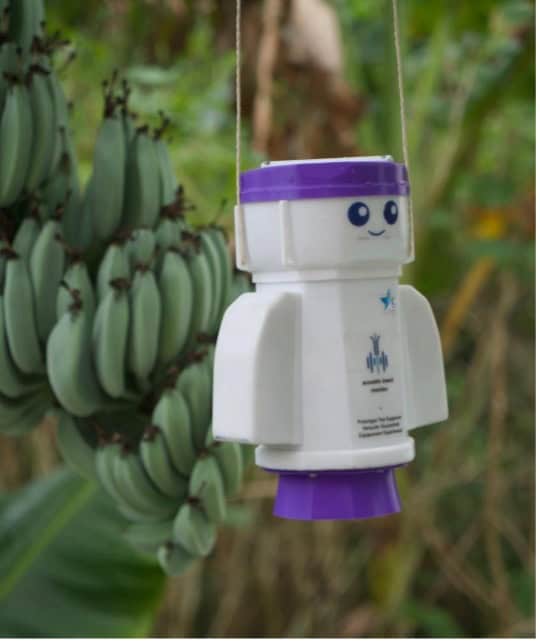
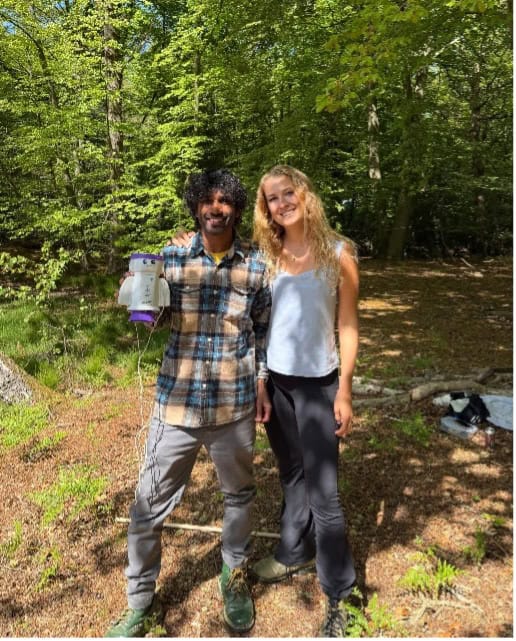
enstic’s device, Patrick, listens outdoors, identifies insects automatically and reports to an online dashboard, aiming for answers within a day rather than weeks. To train it, the team developed its own protocol for catching, identifying and recording insects in the field, using patent-pending equipment (to be confirmed). Its imaging device, Looka, helps confirm identifications.
enstic is pursuing two markets in parallel. In conservation, the EU’s Nature Restoration Regulation requires every Member State to monitor pollinators such as wild bees, but each state must decide how. enstic is also looking at invasive species that threaten bees, such as the Asian hornet, which is spreading across Europe. In public health, enstic has partnerships in Kenya and Sri Lanka and growing interest in Europe, where invasive mosquitoes are spreading north. Each country faces different diseases and insects of concern.
The i-Team is asked to help with two questions:
1. First market. Which market should enstic enter first (location, application, insects of interest), and who would buy and use it?
2. Go-to-market. For the first market chosen, what is the best route in (for example selling first to research institutes and museums, piloting with a government agency, or working through donor-funded programmes)? Who buys and who pays, which partners are needed, and what happens in the first 12 to 18 months? How are similar products approved or adopted (such as vector control products, automated pest traps and environmental sensors), and what should enstic do now to be ready?